
Codebreaker's Chronicles with the Youngest Security Researcher : Naitik Gupta
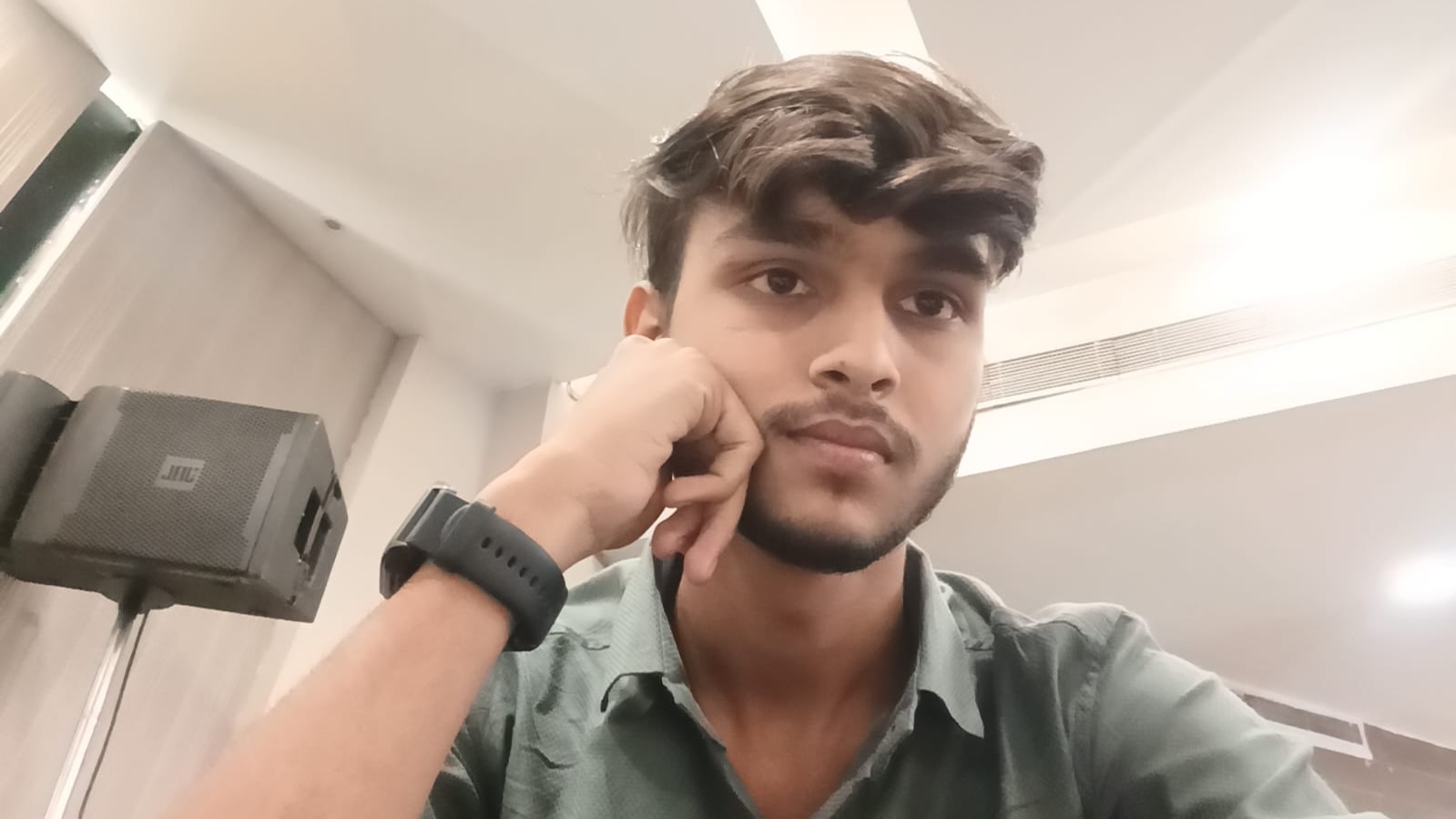
Most people think cybersecurity careers start with tools, certifications, or hacking tutorials.
Mine didn’t.
It started with a question I couldn’t ignore.
A Question I Asked in Class 7 Quietly Changed My Entire Career My name is Naitik Gupta, and I’m currently in Class 12—yes, I’m still in school .
But somewhere between textbooks, exams, and homework, I found myself pulled into a world most people discover much later: CyberSecurity & Ethical Hacking.
Today, I work as a Cyber Security Professional and Security Researcher with over two years of hands-on experience in ethical hacking, web application penetration testing, and real-world vulnerability research. I hold certifications including CEH, CCS, CCEP, CNSP, and CRTA, and I actively work as a cybersecurity trainer and mentor, helping beginners take their first practical steps into this field. Alongside this, I design realistic CTF challenges as a Vibe-Code CTF developer, focused on strengthening applied security learning.
But none of this started with hacking tools, certifications, or bug bounties.
It started with a question so small that I didn’t realize it would change everything.
One Thought That Kept Interrupting My Work
During the COVID lockdown, I was in Class 7, bored like everyone else. I began learning graphic design and video editing and even did some freelancing as a thumbnail designer. With the massive rise of online battle games at the time, I reached out to YouTubers via Instagram and worked with them on thumbnails and video edits.
Everything was going well—until my mind refused to stay quiet.
Every time I designed something, a thought interrupted me: How does this application actually work? When I select a small area and apply a color, why does only that area change? Why not the rest? It sounds silly now, but back then it genuinely bothered me. I realized I enjoyed using tools, but I was far more curious about what was happening behind them.
That curiosity led to a dangerous thought: What if I build my own editing app?
The Terminal Screen Did Something School Never Did
That single question introduced me to coding.
I began researching what coding really is, how applications are built, and how software exists in the first place. After collecting resources and planning endlessly, I finally started with HTML. I wrote my first basic webpage—and something unexpected happened.
I didn’t fall in love with coding.
I fell in love with the coding screen.
The black terminal.
The logic.
The “hacker vibes.”
I continued learning, explored basic web development, and later touched Python. But academic pressure slowly pulled me back toward studies. Still, by the end of Class 9, I had something valuable—not mastery, but a foundation.And more importantly, growing curiosity.Soon, that curiosity found a name.
Two Words Started Following Me
Around the time I was in Class 9, cyber fraud cases were everywhere—news headlines, conversations, warnings. Two words kept reaching my ears:
Cybersecurity. Hacking.
They sounded powerful. Interesting. Mysterious.
But there was a problem—I didn’t want theory.
I believe deeply in practical learning . At that time, however, I couldn’t find hands-on cybersecurity resources that made sense to me, so I stayed focused on web development.
In Class 10, I built my first real project: a website where students could upload completed classwork so absent students could easily access it. The idea came from a real situation—friends borrowing notebooks, staying absent for days, and the constant fear of COVID. If someone borrowed my notebook and later tested positive, the risk was real.
The goal was simple: solve a real problem using technology.
While building this, I realized something important.
This Is Where Everything Took a Turn
I started noticing how fast AI was changing web development. On YouTube, I saw videos titled “Build a website automatically using AI” and “Web development in minutes.” That made me question whether building websites alone was the right long-term path.
This doubt pushed me back into researching cybersecurity—more seriously than ever.
Then one YouTube video changed everything: Ethical Hacking in 4 Hours (Using a Phone)
It introduced the basics—types of hackers, attack surfaces, tools—and environments like Termux. I experimented, explored phishing frameworks, and for the first time, everything felt… right.
I wasn’t just interested anymore.
I felt aligned.
My First Success Didn’t Pay Me—and That’s Why It Mattered
I earned my first certification in Class 10, not just for knowledge, but to connect with people already working in the field. Interestingly, the same place where I enrolled as a student soon promoted me to a faculty trainer, and I began teaching my own batchmates.
That moment became my first real success in cybersecurity.
Soon after, I moved into bug bounty hunting. I submitted my first vulnerability to a random blogging site through their support email. They acknowledged it as valid, but informed me they didn’t have a bounty program. Instead, they rewarded me with a certificate and a letter of appreciation.No money.But full validation.My first bug was real.
The Smallest Payout With the Biggest Impact
While exploring other platforms, I discovered Com Olho. The interface felt beginner-friendly, welcoming, and practical—exactly what I needed at that stage.
I started hunting seriously.
I still remember my first bounty: ₹300.
The amount was small.The motivation was massive.
That single payout pushed me to learn harder, hunt smarter, and stay consistent. Alongside bug hunting, I explored CTFs, not only as a player but as a challenge creator, designing realistic scenarios to help others develop practical security skills.
Today, many of my CTFs are live and many more are on the way.
Still a Student. Always a Learner
Over time, my efforts led to being listed among the Top 10 Ethical Hackers of India at Com Olho, earning 50+ Hall of Fame recognitions, a Spotlight Researcher title, and being ranked #1 CTF player on the platform.
Alongside this, I continue working as a trainer and mentor, guiding beginners who are standing exactly where I once stood—confused, curious, and eager to learn.
I’m still in school.I’m still learning.
And I’m still driven by the same question that started it all:
How does this actually work?
If there’s one thing my journey proves, it’s this:
Curiosity, when followed consistently, can become a career—no matter how early it begins.


Comments